5x5 for teens: is it safe to lift heavy young?
Evidence-based guide on teenagers doing 5x5. The growth stunting myth debunked, age guidelines, safety tips, and how to start barbell training as a teen.
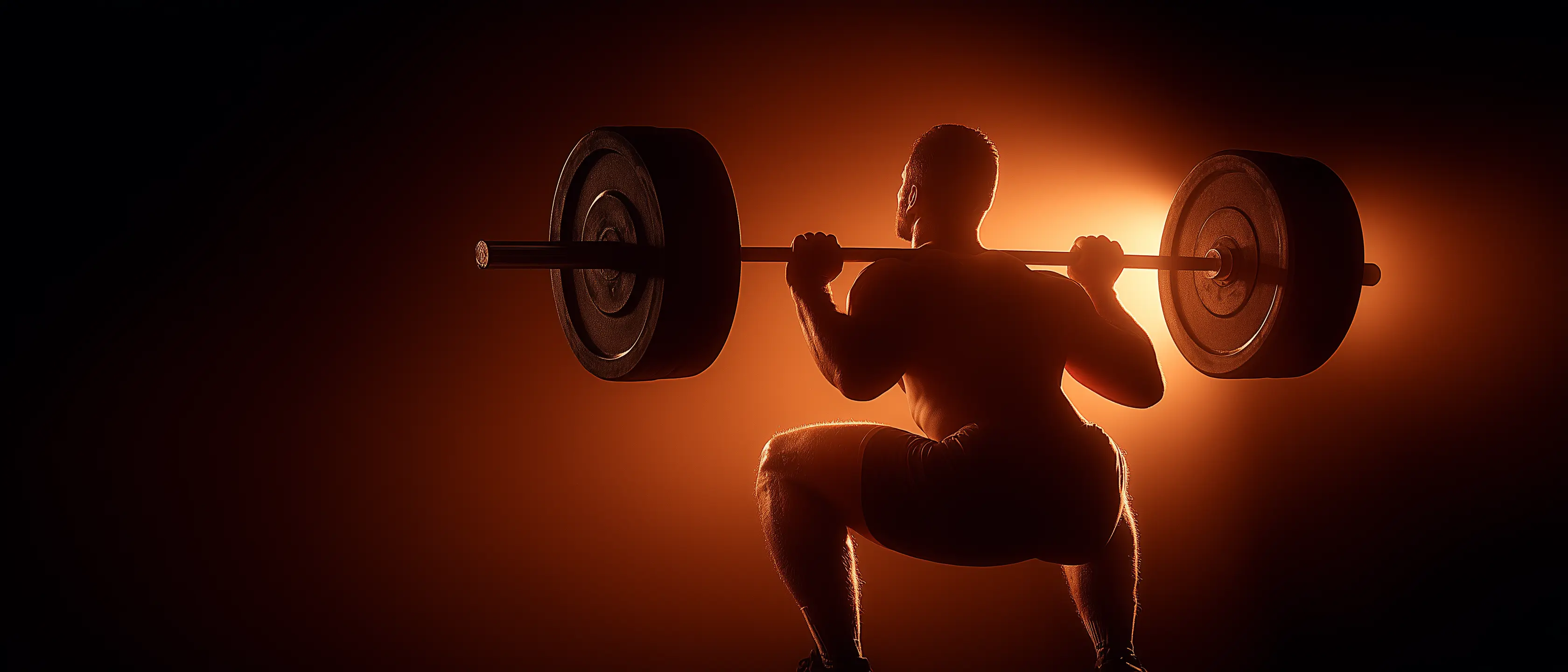
Your parents think you’ll hurt yourself. Your gym teacher says weights will stunt your growth. The internet can’t agree on anything.
Here’s what the actual science says: resistance training is one of the safest and most beneficial activities a teenager can do. Every major medical and sports organization in the world agrees on this. The only debate is about how to do it properly, and choosing the right program for your level is the first step.
Let’s clear up the myths and give you a real plan.
The growth myth - debunked
The idea that lifting weights stunts growth is the most stubborn myth in fitness. It comes from decades-old concerns about growth plate injuries in children. And it has been thoroughly disproven.
What the research actually shows
A 2010 position statement from the National Strength and Conditioning Association (NSCA) reviewed all available evidence and concluded that properly supervised resistance training is safe and effective for children and adolescents. No studies have demonstrated that weight training impairs growth.
The American Academy of Pediatrics published similar guidelines, stating that strength training programs for youth can improve strength without damaging growing bones or affecting height. The World Health Organization recommends that children and adolescents aged 5-17 incorporate muscle-strengthening activities at least three days per week.
Growth plates close naturally at the end of puberty regardless of activity level. The concern about damaging them through lifting ignores two important facts: growth plate injuries from weight training are extremely rare (far less common than from running, jumping, or contact sports), and when they do occur, they’re almost always from unsupervised, maximal-effort lifting - not from a structured program with proper form.
What actually does stunt growth
Chronic malnutrition stunts growth. Severe illness stunts growth. Extreme overtraining combined with undereating can delay development.
A teenager squatting three times per week with proper form and good nutrition? That supports healthy development, not hindering it.
Benefits of 5x5 for teenagers
The benefits of barbell training for teens go well beyond building muscle. This is one of the most impactful habits a young person can develop.
Bone density development
Adolescence is the critical window for building bone density. Research published in the Journal of Bone and Mineral Research shows that mechanical loading during growth years produces bone adaptations that persist into adulthood. Teens who do resistance training build denser, stronger bones that protect against osteoporosis decades later.
You can’t go back and build this foundation. The window closes after growth is complete.
Athletic performance
Nearly every sport benefits from the strength base that barbell training builds. Sprinting, jumping, throwing, tackling - they all require force production. A 2016 meta-analysis in the British Journal of Sports Medicine found that youth resistance training improved sprint speed, jump height, and sport-specific performance across multiple disciplines.
Strength training also reduces sports injury rates by 50-70%, according to research in the same journal. Stronger muscles, tendons, and bones absorb impact better.
Confidence and mental health
Learning to lift teaches teenagers something rare: that consistent effort produces measurable results. Every session, you either add weight or complete more reps. Progress is objective, visible, and entirely earned.
For teenagers dealing with body image issues, academic pressure, or social anxiety, the gym offers a controlled environment where effort directly equals outcome. That’s powerful at any age. It’s transformative during adolescence.
Healthy habit formation
Habits formed in adolescence tend to stick. A teenager who learns to train consistently, eat well, and prioritize recovery is building patterns that protect their health for life. The opposite is also true - sedentary habits formed young are hard to break later.
When to start and how
Age guidelines
There’s no single magic age, but general recommendations look like this:
Any age: Bodyweight exercises - push-ups, squats, lunges, pull-ups. These build movement patterns and baseline strength.
Ages 10-12: Light resistance training with supervision. Machines, light dumbbells, resistance bands. Focus entirely on movement quality.
Ages 13-14: Structured barbell training becomes appropriate for most teenagers. At this point, most adolescents have the coordination, focus, and emotional maturity to follow a program like 5x5.
Ages 15+: Full 5x5 program with standard progression. By this age, teens can train essentially like adults, with the caveats below.
Starting weights
Start lighter than you think you should. The empty bar (20 kg) is the right starting point for squats, bench press, and overhead press. For barbell rows, the bar alone works. For deadlifts, start with 30-40 kg.
If the empty bar is too heavy for overhead press, start with a lighter bar or dumbbells. There’s nothing wrong with that - plenty of adults start the same way.
The first 4-6 weeks should be about perfecting technique, not testing limits. Read the squat guide and learn what proper depth and bracing look like before adding weight.
The role of coaching
Coaching matters more for teenagers than for any other group. A qualified coach or experienced lifter who can watch your form, correct errors early, and instill good habits is worth every penny.
If a coach isn’t available:
- Study technique from reputable sources before touching a barbell
- Film your sets and compare to proper form demonstrations
- Start absurdly light and only add weight when form is consistently good
- Find a training partner or parent willing to learn alongside you
A few coached sessions at the beginning prevents months of practicing bad habits.
Special considerations for teen lifters
Form over everything
This applies to all lifters. It applies doubly to teenagers. Your body is still developing, your motor patterns are still being established, and bad habits formed now will follow you for years.
Rules for teen lifters:
- Never add weight if the previous weight wasn’t technically perfect
- If form breaks down on the last rep, the weight was too heavy
- Learn to brace properly before adding significant load
- Never attempt maximal singles (1-rep maxes) - they’re unnecessary and carry the highest risk
The 5x5 program is already designed around submaximal loading. Five reps leaves margin for safe technique. Don’t undermine this by ego lifting.
Slower progression is fine
Standard 5x5 progression is 2.5 kg per session. Teens can follow this, but there’s no rush. If you need extra sessions at the same weight to perfect form, take them.
Progress looks like this for a responsible teen lifter:
- Learn the movement with an empty bar (1-2 weeks)
- Add weight slowly while maintaining perfect form (ongoing)
- Use the standard 2.5 kg jumps once technique is solid
- Deload when the program calls for it - don’t skip this
Over a year, even conservative progression puts enormous strength gains on the board. A 16-year-old who starts with the bar and adds 2.5 kg per week squats 150 kg within a year. There’s no need to rush.
Avoid ego lifting
Peer pressure in the gym is real for teenagers. Someone your age is squatting more. Someone is telling you to just throw more weight on.
Ignore them. Ego lifting is the primary cause of injury in young lifters. The strongest people in your gym didn’t get there by loading up more than they could handle at 15.
Emotional maturity matters
5x5 requires discipline: showing up three times per week, following the program as written, not skipping exercises you don’t like, and handling sessions where the weight feels heavy. A teenager who can commit to this is ready for the program. One who can’t maintain focus or follow instructions should stick with less structured training until they’re ready.
This isn’t an age question. It’s a maturity question. Some 14-year-olds are more disciplined than some 30-year-olds.
Nutrition for growing lifters
This is where teen lifters differ most from adults. You’re not just recovering from training - you’re growing. Your body needs fuel for both.
Calories: more, not less
Teenagers need more calories than adults relative to their size because they’re still developing. A teenage boy doing 5x5 three times per week might need 2,500-3,500+ calories depending on size, age, and activity level. Restricting calories during adolescence to “stay lean” is counterproductive and potentially harmful.
Eat enough to fuel training and growth. If you’re gaining weight, that’s usually a good thing during your teenage years - especially if you’re getting stronger.
Protein for growth and recovery
Aim for 1.4-2.0g of protein per kg of bodyweight daily. For a 70 kg teenager, that’s roughly 100-140g per day. Spread it across meals.
Good sources:
- Chicken, beef, fish, eggs
- Greek yogurt, cottage cheese, milk
- Beans, lentils, tofu
You don’t need protein shakes, but they’re a convenient option if hitting targets through food alone is difficult.
Skip the supplements
Teenagers don’t need supplements. A varied diet with enough calories, protein, fruits, vegetables, and whole grains covers everything. Pre-workouts, fat burners, and testosterone boosters are unnecessary and some are genuinely harmful for developing bodies.
If anything is “missing,” it’s usually sleep, water, or vegetables - not a supplement.
Read the full nutrition guide for 5x5 for more detail on macronutrients and meal timing.
The bottom line
A teenager following 5x5 with proper form, appropriate coaching, and good nutrition is doing one of the healthiest activities available at any age. The concern was never about lifting itself - it was about bad coaching, ego lifting, and misinformation.
The science is clear. The medical consensus is unanimous. Supervised resistance training is safe, beneficial, and recommended for adolescents.
Start with the complete beginner guide, learn the movements, and compare all 5x5 program options to build a foundation that lasts a lifetime.
Track your 5x5 progress automatically
Built-in plate calculator, rest timer, and auto-progression. Free for iOS & Android.
Frequently asked questions
Does lifting weights stunt growth in teenagers?
No. This is one of the most persistent myths in fitness. The American Academy of Pediatrics, the National Strength and Conditioning Association, and the World Health Organization all confirm that supervised resistance training is safe for adolescents and does not impair growth plate development. Multiple longitudinal studies have found no negative effect on height. In fact, resistance training may support bone development during growth.
What age can a teenager start 5x5?
Most teens can begin structured barbell training around 13-14, provided they have the emotional maturity to follow a program and access to coaching. Younger children can benefit from bodyweight exercises and general physical activity. The key factor is not a specific age but the ability to follow instructions, maintain focus, and prioritize technique over weight.
Should teens use the same progression as adults on 5x5?
Teens can follow the standard 5x5 progression of adding 2.5 kg per session, but slower progression is perfectly fine and often smarter. The emphasis should always be on mastering form with lighter weights before chasing numbers. A teen who spends the first few months drilling perfect technique will progress faster in the long run.
Do teenagers need supplements for strength training?
No. Teenagers should get all their nutrition from whole foods. A balanced diet with adequate protein (1.4-2.0g per kg of bodyweight), plenty of carbohydrates for energy, and sufficient calories to support both growth and training is all that's needed. Creatine is safe for adults but research in adolescents is limited, so whole foods remain the best approach.
Can teens do 5x5 without a coach?
A coach is highly recommended for teens starting barbell training. A few sessions with a qualified coach teaches proper form and builds safe habits from day one. If coaching isn't accessible, learning from reputable video resources and starting with very light weights is the next best option. Having a training partner or parent who can observe form also helps.
Writes the Lift5x5 training blog. Over a decade under the bar running 5x5-style programs — practical strength advice with no BS, just barbells.
More about Erik →